


17 Feb Support for Teens Carrying Grief & Anger | Parent Testimonial
When a Teen Isn’t “In Trouble” — But Still Needs Support
Not every young person who needs help is a “problem child”.
One Australian family learned this first-hand after their son, a capable and well-behaved student, began to change following the loss of his sister four years earlier.
By all outward measures, he was doing well.
Good grades.
Positive references.
No behavioural issues at school.
But internally, things were unravelling.
Grief Doesn’t Always Look the Way We Expect
Rather than acting out immediately, he internalised his grief. Conversations became shorter. Emotions stayed bottled up. Over time, anger began to surface – particularly through sport.
Like many teenagers dealing with loss, he didn’t want to burden his parents. He avoided talking about how he felt and refused to engage with traditional support services. What remained was a growing sense that something wasn’t right, without a clear way forward.
His parents were left searching for answers.
Finding a Different Path
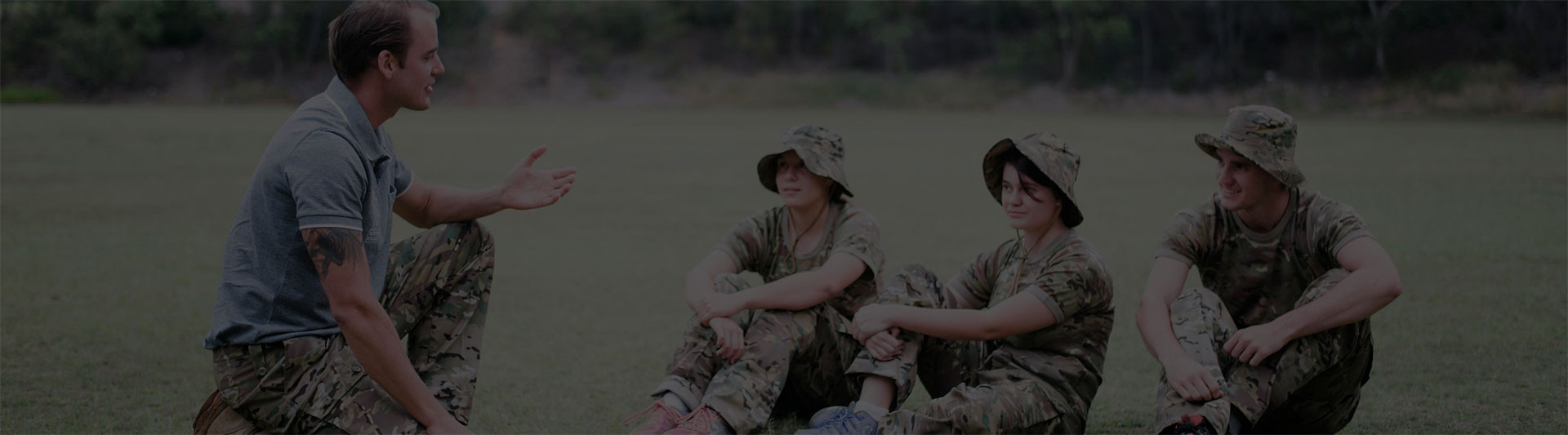
While researching online, the family came across Veteran Mentors.
At first, they assumed the program was designed only for teenagers with serious behavioural issues. But as they read further, they realised it was also intended for young people who need an outlet, structure, and a different path forward.
Not therapy.
Not punishment.
But challenge, leadership, and accountability.
Seeing Change Without Being Forced to Talk
Throughout the program, parents received updates and watched from a distance as their son took the experience seriously. The structure, expectations, and environment gave him space to process what he was carrying — without being forced into conversations he wasn’t ready to have.
The turning point came on graduation day.
When they were finally reunited at the march-out ceremony, the change was immediate and undeniable.
He broke down.
He hugged his parent.
And he said, simply:
“Thank you so much.”
Support Looks Different for Every Teen
This story is a reminder that support doesn’t always look like intervention for bad behaviour.
Sometimes it looks like:
- Giving a young person structure when life feels chaotic
- Providing an outlet for unspoken grief and anger
- Offering leadership and responsibility instead of pressure to talk
- Creating space for growth without labels
Even when a teenager has never been “in trouble”.
Is this your child?
If this story feels familiar, you’re not alone. Many families come to Veteran Mentors not because their child is “in trouble”, but because they sense something has changed and want to act early.
Take a moment to explore whether the Junior Leader Program could be the right next step for your family.
Sorry, the comment form is closed at this time.