

05 Mar Help for Teen Anger and Behaviour: A Parent’s Story
For many families, the early signs can be subtle.
A teenager who was once easygoing suddenly becomes short-fused. Conversations become guarded. Small frustrations quickly escalate into arguments. Parents begin to wonder whether something deeper is going on — but finding the right way to approach it isn’t always clear.
That’s exactly where Alex’s family found themselves.
Alex was a good kid. He was involved in sport, doing reasonably well at school, and from the outside nothing looked dramatically wrong. But at home, the tone of everyday interactions had begun to shift.
Frustration appeared quickly. Conversations could end abruptly.
There wasn’t a single moment that triggered concern.
It was the accumulation of small changes that made his parents pause and ask a question many families eventually face:
Is this something our child will grow through — or something we need to step in and address now?
When Teenagers Stop Talking
Teenagers don’t always express what they’re carrying.
Pressure from school, expectations around sport, friendships, identity, and the growing question of “what comes next” can all build beneath the surface.
Sometimes those pressures show up clearly.
More often, they appear indirectly — through frustration, withdrawal, impatience, or a reluctance to talk about what’s really going on.
Parents can sense the shift but struggle to find the right entry point into the conversation.
Push too hard and teenagers close off.
Say nothing and the distance can grow wider.
For many families searching for support for teens dealing with anger or communication breakdowns, the challenge is finding an environment where their teenager will actually engage.
Why Some Young People Respond to Real Structure
Not every teenager responds to traditional approaches.
Some young people open up through conversation. Others respond far more strongly to environments where expectations are clear and standards are consistent.
The Junior Leader Program is built around that idea.
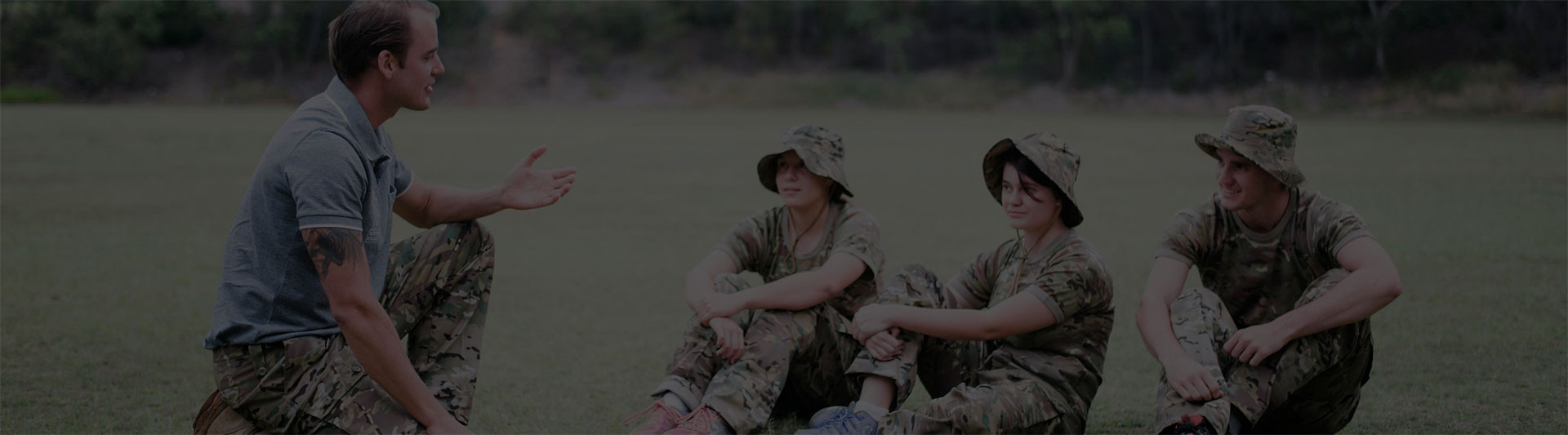
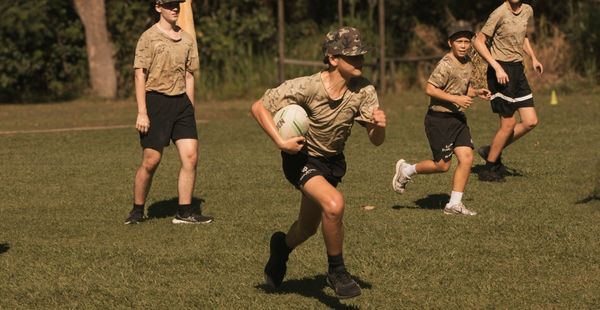
Rather than focusing purely on discussion, the program places teenagers in a structured environment where discipline, teamwork, leadership and accountability are part of everyday life.
The distractions of life disappear.
In their place are challenges, responsibilities and mentorship from people who understand leadership through lived experience.
For many teenagers, that combination creates a shift that parents have struggled to unlock at home.
Acting Before Problems Escalate
One of the biggest misconceptions about programs like this is that they are only for teenagers already in serious trouble.
In reality, many families enrol before behaviour escalates further.
They recognise the early indicators — rising frustration, guarded communication, emotional pressure — and choose to intervene while their teenager is still receptive to guidance.
Addressing those patterns early often leads to stronger long-term outcomes.
Because once teenagers learn how to manage pressure, take responsibility for their behaviour, and communicate more clearly, those skills begin to influence every part of their lives — school, sport, friendships and family relationships.
A Decision Many Parents Eventually Face
At some point, most families reach the same crossroads.
Do we wait and hope things settle on their own?
Or do we provide an environment that challenges our teenager to step forward and grow now?
For Alex’s family, the decision was about giving their son the opportunity to experience structure, leadership and challenge in an environment that aligned with his interests and ambitions.
For other families, the motivation may look different.
But the goal is usually the same: helping their teenager move forward with greater discipline, confidence and direction.
Watch the Parent Testimonial
In this short video, Alex’s parent shares what led their family to Veteran Mentors, what stood out about the experience, and why they believe the program was worthwhile.
Veteran Mentors delivers structured teen leadership programs in Australia for young people aged 12–17, led by former Australian Defence Force mentors.
Trusted by 1,000+ Australian families, the Junior Leader Program focuses on discipline, teamwork, resilience and accountability — helping young people carry those standards back into school, home and everyday life.
Speak with a member of the Veteran Mentors team to learn more about upcoming program dates and whether the Junior Leader Program is the right next step for your family.
Sorry, the comment form is closed at this time.